7 Best Vegetables to Regrow from Scraps (2026 Guide)
Last January, I tossed a green onion root into a shot glass of water on my windowsill, half expecting it to rot. Three days later, a bright green shoot had pushed up two inches. By week two, I had enough fresh scallions to top every stir-fry and soup I made. That single experiment turned into a full-blown obsession—and saved me about $120 on produce in 2025 alone. If you've ever wondered which scraps are actually worth the effort, this 2026 guide shares the seven best vegetables to regrow from scraps, with the exact steps I've tested to make it work.
Regrowing vegetables from kitchen scraps is one of the simplest ways to cut food waste, save money, and keep fresh greens within arm's reach—no garden required. In 2026, with grocery prices still unpredictable and sustainability top of mind, this old-school trick is getting new attention. Below, I walk through the seven easiest and most rewarding vegetables to regrow, plus the pitfalls to avoid and how to turn a few scraps into a steady harvest.
Why You Should Start Regrowing Vegetables from Scraps in 2026
If you're on the fence about whether this is worth your time, let me give you three concrete reasons that convinced me. First, the cost savings are real. A bunch of green onions runs about $1.50 at my local store—and I can regrow them six or seven times from the same roots. That's nearly $10 saved on one vegetable alone. Second, it's the most forgiving entry point into gardening. I've killed plenty of seedlings, but scraps regrow even with minimal attention. Third, the environmental impact feels tangible. According to the USDA, Americans waste roughly 30–40% of the food supply, much of it produce. Regrowing scraps keeps that cycle from starting in the first place.
In 2026, I've also noticed more people are pairing regrowing with small-space container gardening. If you live in an apartment or have limited outdoor area, a windowsill or countertop can become a mini nursery. The best vegetables to regrow from scraps don't need much—just water, light, and a little patience.
The 7 Best Vegetables to Regrow from Scraps: A Step-by-Step Guide
1. Green Onions (Scallions)
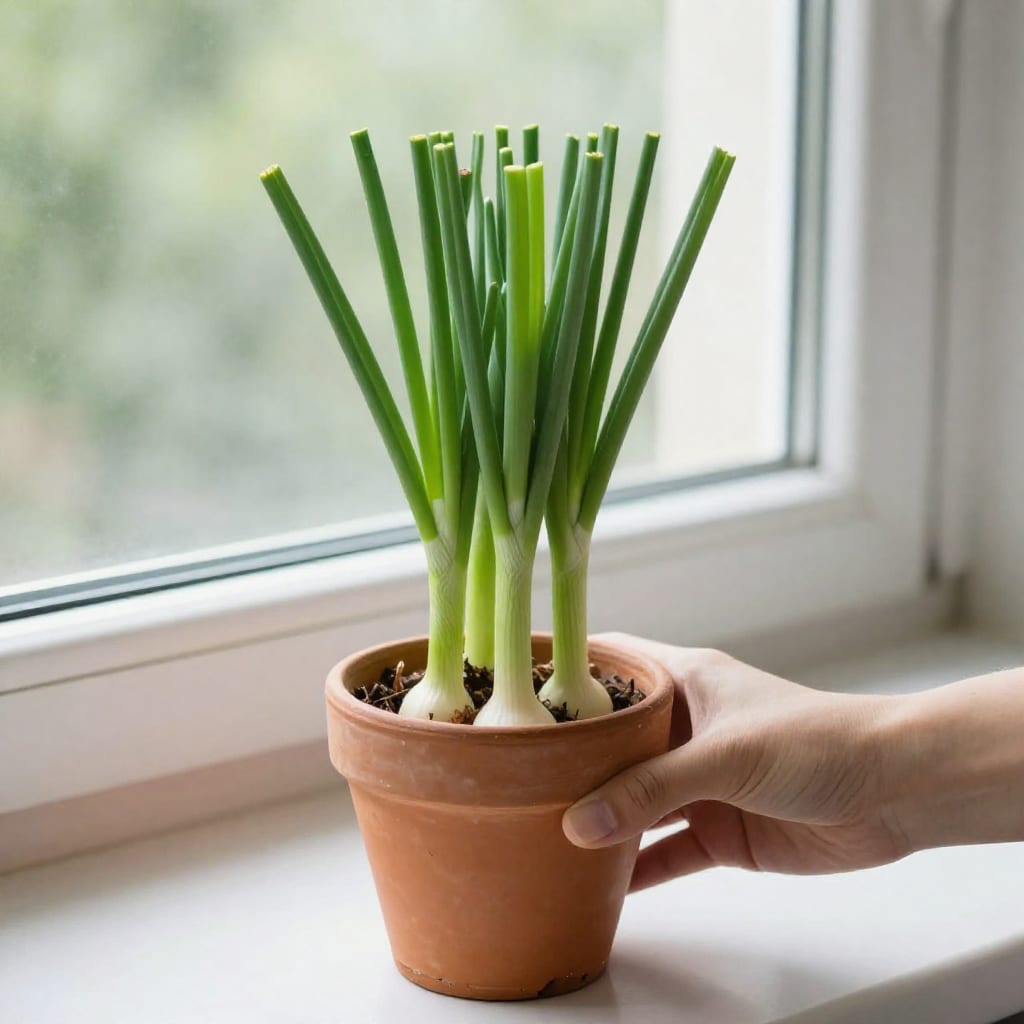
This is the undisputed champion of regrowing. I've done it more times than I can count, and it works every time. Save the white root ends—about an inch above the roots. Place them root-side down in a jar with enough water to cover the roots, but keep the cut tops above water. Change the water every two days. In three to five days, you'll see new green growth. For a fuller harvest, transplant into soil after a week; the bulbs will fatten and produce thicker stalks. I've kept the same set of roots producing for over two months by trimming the greens and refreshing the water.
2. Romaine Lettuce
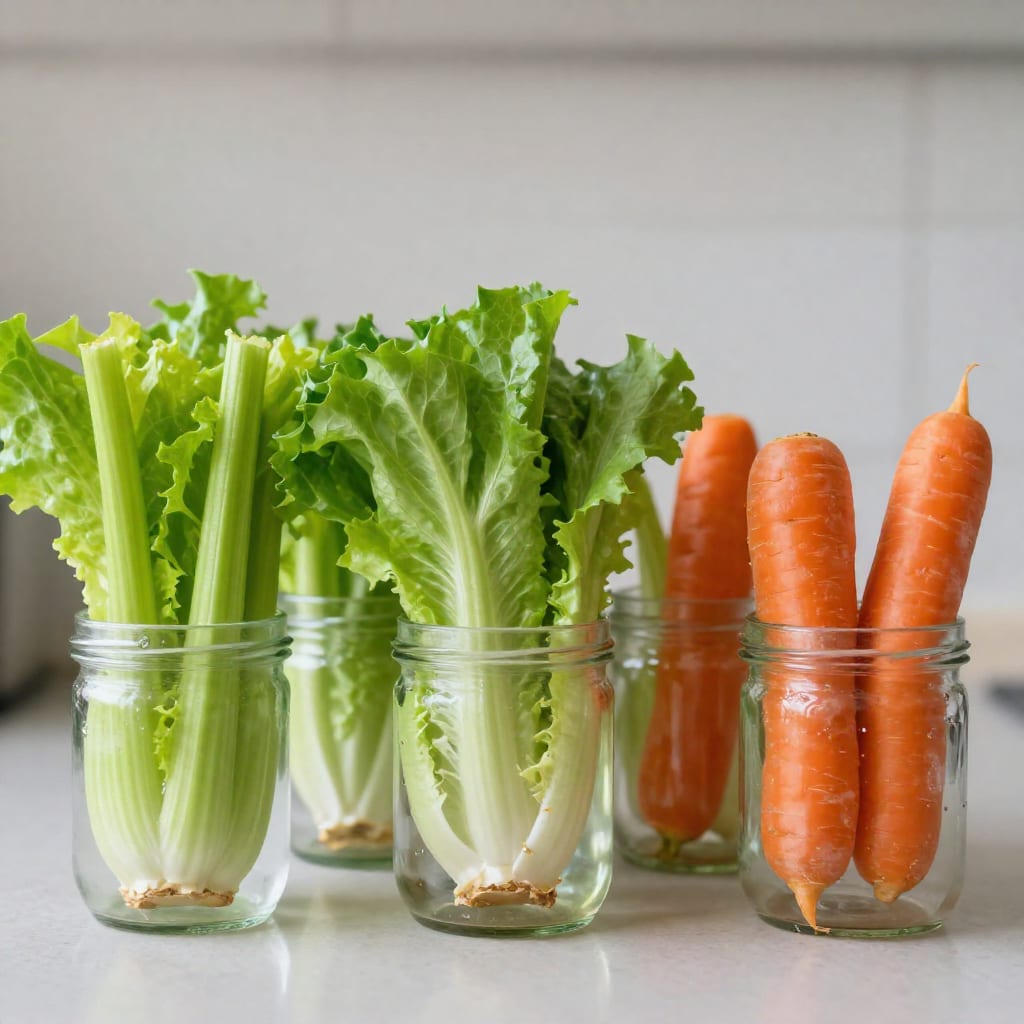
Romaine is almost as easy as green onions. Cut the bottom three inches off a head of romaine and place it in a shallow bowl with about half an inch of water. Put it on a sunny windowsill. Change the water daily. Within a week, you'll see new leaves emerging from the center. After two weeks, you can harvest outer leaves—just leave the core intact. In my experience, the regrown leaves are slightly smaller but crisp and sweet. Soil grows stronger plants, but water works fine for a few cycles.
3. Celery
Celery requires a bit more patience, but it's still one of the best vegetables to regrow from scraps. Cut the base off a celery bunch, leaving about two inches. Place it in a shallow dish of water, cut side up. Keep the dish in a sunny spot and change the water every other day. After about a week, you'll see small leaves and roots forming. Transfer to soil for the best results—celery needs nutrients to develop thick stalks. I planted mine in a pot with compost-rich soil, and after three weeks, I had stalks about six inches tall. They're thinner than store-bought but packed with flavor.
4. Garlic Sprouts
If you have a clove of garlic that's started to sprout, don't toss it. Plant the clove, sprout side up, in a small pot of soil. Water lightly and keep in a sunny spot. In a few days, a green shoot will emerge. Let it grow until it's about six inches tall, then snip the green tops to use like chives. The flavor is milder than garlic cloves but delicious in salads and pasta. I've even let one clove grow into a full bulb by leaving it in soil for several months—though the bulb is smaller than store-bought, the satisfaction is huge.
5. Carrot Tops
You can't regrow the orange root from a carrot top, but you can regrow the leafy greens, which are edible and taste like a cross between parsley and carrot. Place the top inch of a carrot (where the stem meets the root) in a shallow dish of water, cut side down. Change water daily. Within a week, frilly green leaves will appear. I use them as a garnish or in pesto. They won't produce a full carrot, but they're a free source of greens and a great conversation starter.
6. Potatoes
Potatoes are the heavy hitters of regrowing. If you have a potato with eyes (those little dimples), cut it into chunks—each chunk with at least one eye. Let the cut pieces dry for a day to form a callus, then plant them in soil about four inches deep. Water sparingly. In a few weeks, you'll see shoots. After a couple of months, you can dig up new potatoes. I tried this with a sprouted Russet last spring and got about a pound of small new potatoes from a single scrap. It's a longer commitment, but the yield is worth it.
7. Ginger
Ginger is surprisingly easy to regrow from a leftover piece. Look for a thumb-sized knob with visible buds (small bumps). Plant it in a pot of moist potting soil, just below the surface, with the buds facing up. Keep the soil consistently damp and the pot in a warm spot with indirect light. In a few weeks, shoots will appear. After four to six months, you can harvest fresh ginger by digging up the whole plant—or just break off a piece and replant the rest. I've kept a single ginger plant going for over a year this way, and the flavor is far more pungent than store-bought.
Common Mistakes to Avoid When Regrowing Vegetables from Scraps
I made plenty of mistakes when I started, and they cost me time and scraps. Here are the most common pitfalls I've seen—and how to avoid them.
- Using rotten or moldy scraps. Only use fresh, healthy bases. If the cut end is slimy or smells off, toss it. I learned this the hard way with a celery base that turned into a science experiment.
- Overwatering in soil. When you move scraps to soil, it's easy to drown them. Keep the soil moist but not waterlogged. Let the top inch dry out between waterings.
- Insufficient light. Regrowing vegetables need bright, indirect light. A north-facing window won't cut it. I moved my setup to a south-facing sill, and growth doubled in speed.
- Not changing water regularly. Stagnant water breeds bacteria. Change it every one to two days to keep the roots healthy.
- Expecting full-size harvests. Regrown vegetables often produce smaller yields. That's normal. Harvest frequently and manage expectations—you're getting free food, not a farm.
How to Maximize Your Harvest: Tips for Long-Term Success
Once you've mastered the basics, you can push your regrowing game further. Here's what I've learned after a year of trial and error.
Use Soil for Stronger Plants
Water works for the first few weeks, but soil provides essential nutrients. I transfer green onions, lettuce, and celery to small pots after they root. Mix in a bit of compost or balanced fertilizer every few weeks. You'll see thicker growth and more harvests.
Rotate Your Crops
Don't let the same scrap produce indefinitely. After three to four harvests, the plant's energy depletes. Start fresh with new scraps. I keep a rotation—one batch in water, one in soil, and a new scrap starting every week.
Know Which Scraps Aren't Worth It
Not every vegetable regrows well. I've tried bell peppers, avocados, and lemons from seeds—they take months and rarely produce fruit in a home setting. Stick to the list above for reliable results. My rule of thumb: if it grows from a rooted base or a tuber, it's a good candidate.
Harvest Gradually
For leafy greens like lettuce and green onions, harvest only what you need by snipping outer leaves. The plant keeps producing from the center. This extends the harvest window by weeks.
Frequently Asked Questions
Can I regrow vegetables from scraps in water instead of soil?
Yes, many vegetables like green onions, lettuce, and celery can be regrown in water, but soil often provides more nutrients for a stronger harvest. I recommend starting in water to see roots, then transferring to soil for the best long-term results.
How long does it take to regrow vegetables from scraps?
Most vegetables show new growth within three to seven days, but full harvests can take two to four weeks depending on the type and conditions. Green onions are the fastest; potatoes take months.
Do I need special equipment to regrow vegetables from scraps?
No, you typically need just a jar of water or a small pot with potting soil, plus a sunny windowsill—no special gear required. I started with a shot glass and a mason jar.
Which vegetables are the easiest to regrow from scraps for beginners?
Green onions, lettuce, and garlic sprouts are the easiest because they grow quickly and require minimal care. I always recommend green onions for first-timers.
Can regrown vegetables taste as good as store-bought ones?
Yes, often they taste fresher and more flavorful, though yields may be smaller than original plants. My regrown ginger is far more pungent than anything I've bought.
Final takeaway: Regrowing vegetables from scraps is one of the most rewarding, low-cost habits you can start in 2026. Pick one vegetable from the list—green onions are the perfect starter—and give it a try. You'll save money, reduce waste, and have fresh greens growing right on your counter. Worth bookmarking this guide for your next kitchen scrap session.